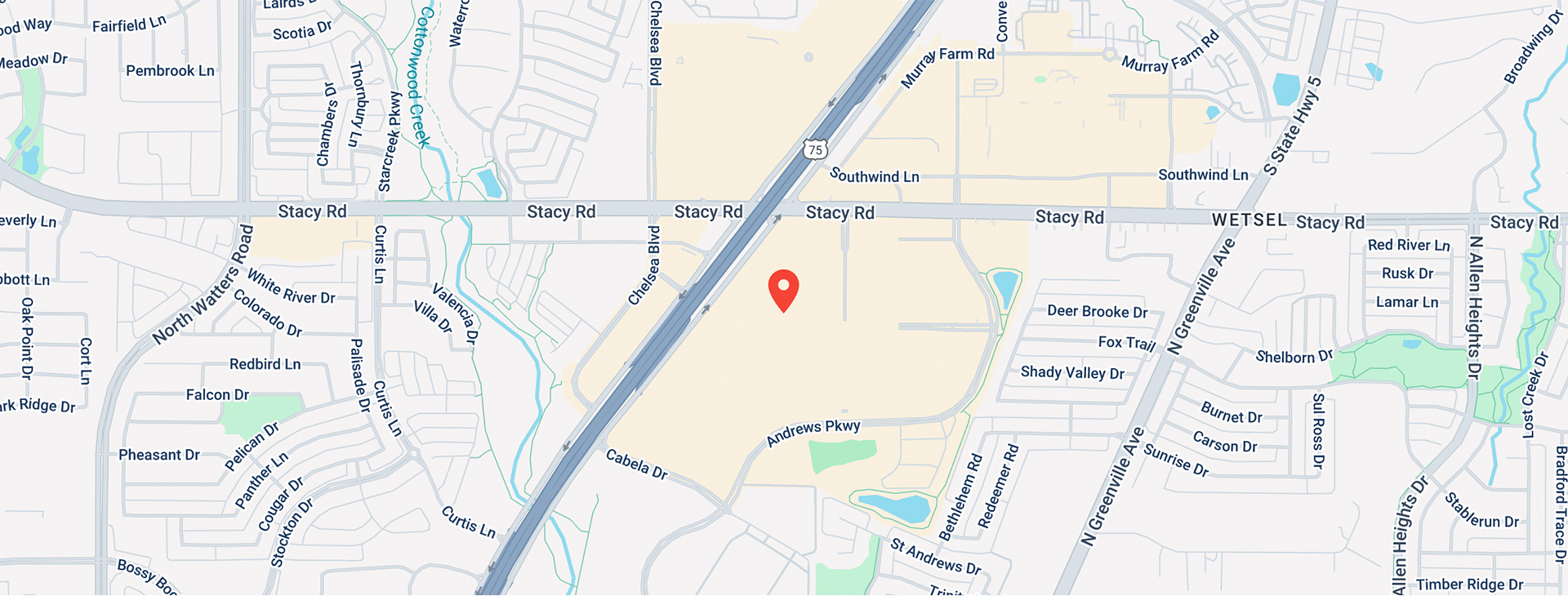
190 E. Stacy Road Suite #1618
Allen, TX 75002

What Is Sleep Apnea and Why It Shouldn’t Be Ignored
What Is Sleep Apnea and Why It Shouldn’t Be Ignored
Sleep apnea is a sleep-related breathing disorder that causes breathing to pause or become restricted during sleep. While many people associate it with loud snoring, the condition can affect your oxygen levels, sleep quality, and overall health. For patients who wake up tired, struggle with daytime fatigue, or have been told they snore heavily, sleep apnea should not be ignored.
What Causes Sleep Apnea?
The most common type is obstructive sleep apnea, which occurs when the airway becomes partially or completely blocked during sleep. This can happen when the soft tissues in the throat relax and collapse into the airway. Certain factors may increase the risk, including airway structure, excess weight, allergies, alcohol use, or jaw and bite alignment.
Central sleep apnea is less common and occurs when the brain does not send proper breathing signals during sleep. A proper diagnosis is important because treatment depends on the type and severity of the condition.
Common Signs of Sleep Apnea
Sleep apnea symptoms can vary, but many people notice issues that affect both nighttime rest and daytime energy. Signs may include:
• Loud or frequent snoring
• Gasping, choking, or pauses in breathing during sleep
• Morning headaches
• Dry mouth when waking up
• Daytime sleepiness or difficulty focusing
• Irritability or mood changes
• Waking up feeling unrested after a full night in bed
Why Untreated Sleep Apnea Can Be Serious
When breathing repeatedly stops during sleep, the body is placed under stress. Over time, untreated sleep apnea may increase the risk of high blood pressure, heart disease, stroke, diabetes, acid reflux, and other health concerns. It can also make daily life harder by contributing to poor concentration, low energy, and reduced productivity. Even if symptoms seem manageable, the long-term effects can become more serious without proper care.
How a Dentist Can Help with Sleep Apnea
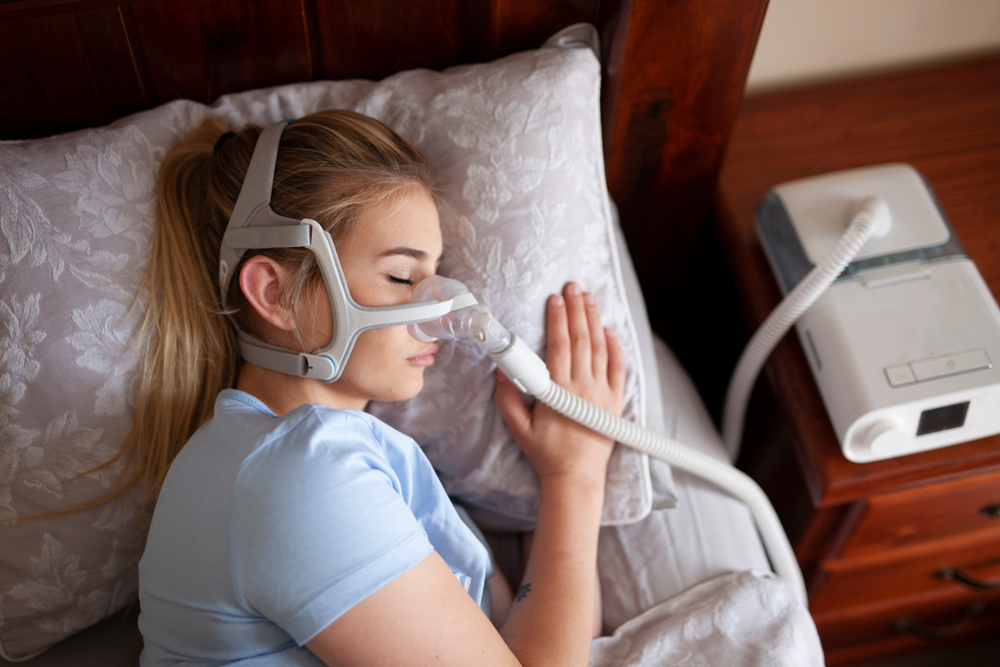
Many patients think a CPAP machine is the only treatment option. While CPAP therapy can be effective, some people find the mask, noise, or maintenance difficult to tolerate. For certain patients with obstructive sleep apnea, a custom oral appliance may be an option.
A sleep apnea mouthpiece is designed to help position the jaw forward while you sleep, supporting a more open airway. This can make breathing easier and help improve rest for patients who are good candidates.
If you are concerned about sleep apnea or looking for alternatives to CPAP, contact Smile Solutions to learn more about your options. Visit our office in Allen, Texas, or call (469) 656-8813 to book an appointment today.

- HOURS OF OPERATION
- Monday 10:00am - 7:00pm
- Tuesday 10:00am - 7:00pm
- Wednesday 10:00am - 7:00pm
- Thursday 10:00am - 7:00pm
- Friday 12:00pm - 7:00pm
- Saturday By Appointment
- Sunday Closed
- Emergencies are welcome
Powered by
