
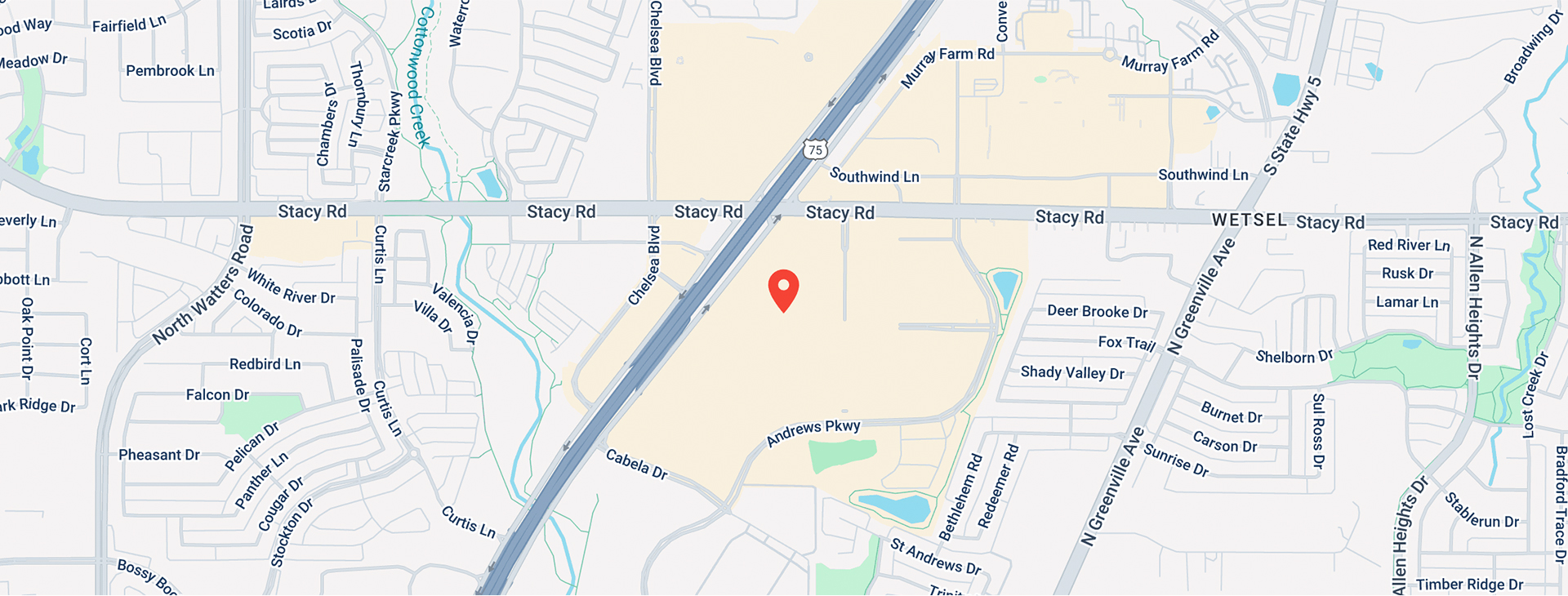
190 E. Stacy Road Suite #1618
Allen, TX 75002

Nighttime Teeth Grinding (Bruxism): How Stress and North Texas Work Commutes Affect Your Jaw

Long workdays, stressful schedules, and North Texas commutes can leave more than your patience feeling worn down. For some people in Allen, daily stress may also contribute to jaw clenching and nighttime teeth grinding, a condition known as bruxism.
Because sleep bruxism happens while you are asleep, you may not realize you are grinding your teeth until symptoms appear. At Smile Solutions, we can evaluate signs of excessive tooth wear, jaw discomfort, and other concerns that may be related to grinding or clenching.
How Stress Can Affect Your Jaw
Stress does not cause every case of bruxism, but it can be an important contributing factor. After navigating traffic, deadlines, family responsibilities, and long hours at work, some people continue holding tension in their jaw even when the day is over.
Clenching typically involves tightly pressing the upper and lower teeth together. Grinding involves moving the teeth against one another. Either habit can place repeated pressure on the teeth, jaw muscles, and surrounding structures.
For Allen patients with demanding North Texas commutes, becoming aware of daytime clenching can also be helpful. You may notice that you tighten your jaw while sitting in traffic, concentrating at work, or dealing with a stressful situation.
Signs You May Be Grinding Your Teeth At Night
Nighttime teeth grinding does not always cause obvious symptoms. During a dental examination, we may notice changes before a patient realizes there is a problem. Possible signs of bruxism include:
Flattened, chipped, cracked, or worn teeth
Jaw soreness or tightness after waking
Morning headaches, especially near the temples
Increased tooth sensitivity
Facial or jaw muscle fatigue
These symptoms can have several possible causes, so an evaluation is important rather than assuming bruxism is responsible.
Why Bruxism Should Not Be Ignored
Occasional clenching may not cause significant damage, but frequent or forceful grinding can gradually wear away tooth enamel. Once enamel is lost, it does not grow back naturally.
Continued pressure may also contribute to fractured restorations, damaged teeth, sensitivity, or discomfort in the jaw muscles. Patients who already have crowns, fillings, or other dental restorations may want to pay particular attention to unexplained changes in their bite or morning jaw soreness.
Addressing nighttime teeth grinding early can help us protect existing tooth structure and identify whether dental treatment is appropriate.
What We Look For During An Evaluation
When you visit our Allen dental office with concerns about bruxism, we can examine your teeth for patterns of wear, cracks, damaged restorations, and other signs of excessive pressure. We can also discuss when your symptoms occur, whether you notice daytime clenching, and whether your jaw feels different after sleeping.
Treatment recommendations depend on what we find. A dental appliance may be appropriate for some patients to provide a protective barrier between the upper and lower teeth during sleep. Other concerns may require a different approach, particularly when jaw pain, sleep problems, or another condition could be contributing to the symptoms.
If stressful North Texas workdays are leaving you with morning jaw pain, worn teeth, or concerns about nighttime grinding, schedule an evaluation with Smile Solutions in Allen, Texas. Contact our office at 190 E. Stacy Road, Suite #1618, Allen, TX 75002 or call 469-656-8813 to schedule your appointment.

- HOURS OF OPERATION
- Monday 10:00am - 7:00pm
- Tuesday 10:00am - 7:00pm
- Wednesday 10:00am - 7:00pm
- Thursday 10:00am - 7:00pm
- Friday 12:00pm - 7:00pm
- Saturday By Appointment
- Sunday Closed
- Emergencies are welcome
Powered by
