
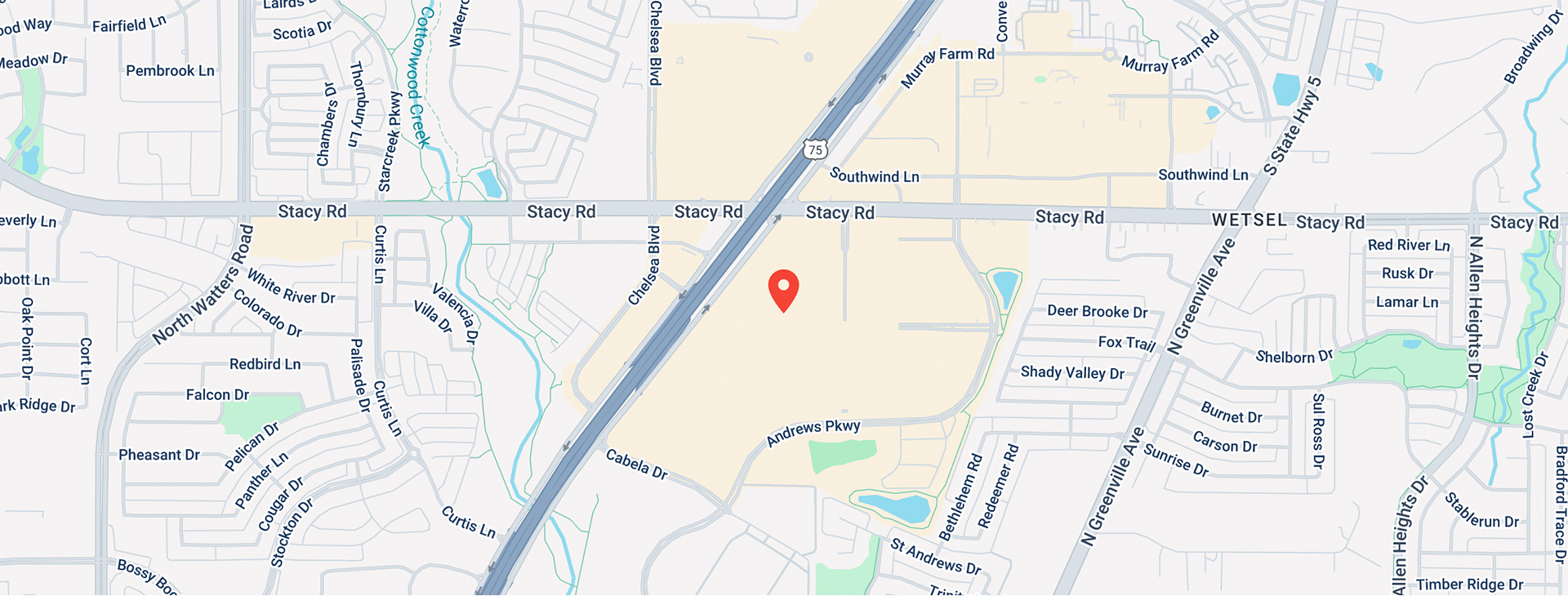
190 E. Stacy Road Suite #1618
Allen, TX 75002

Dental Implants 101: What to Expect Before, During, and After
Dental implants are one of the most trusted ways to replace missing teeth because they look, feel, and function like natural teeth. If you are considering dental implants, it helps to know what the process typically involves from your first visit through long-term maintenance.
Before Dental Implant Treatment: Your Consultation and Planning
Your implant journey starts with a focused evaluation. Dr. Iwobho will review your health history, examine your gums and bite, and take diagnostic imaging to assess bone levels and identify the best implant position. This planning step matters because implants need stable, healthy bone and gum tissue to support long-term success.
If you have had missing teeth for a while, you may need preparatory treatment first, such as an extraction, gum therapy, or bone grafting. These steps are not setbacks - they are how Dr. Iwobho builds a strong foundation for the implant to integrate properly.
Who Is a Good Candidate for Dental Implants?
Many adults with one or more missing teeth can be good candidates for dental implants, but a consultation is the best way to confirm. In general, dental implants work well for patients who want a fixed, long-term solution and can commit to consistent oral hygiene and routine dental visits.
You may be a good candidate if you:
- Have one or more missing teeth or a failing tooth that needs replacement
- Have healthy gums or are willing to treat gum disease first
- Have enough jawbone to support an implant, or are eligible for bone grafting if needed
- Are in generally stable health and able to heal normally after dental procedures
- Do not smoke, or are willing to reduce or stop - smoking can increase implant complications
During the Procedure: Implant Placement
A dental implant is a small post placed into the jawbone that acts like a tooth root. The procedure is carefully planned and typically performed with local anesthesia, with additional comfort options depending on your needs.
After the implant is placed, the area is protected while healing begins. In many cases, a temporary tooth replacement may be used so you can maintain your appearance and basic function during the healing period.
Healing and Osseointegration: The “Waiting” Phase That Does the Work
Healing is where the implant becomes stable. Over the next several weeks to months, the implant fuses with the jawbone in a process called osseointegration. This is what allows dental implants to feel secure when you speak, chew, and smile.
You may notice mild soreness, swelling, or tenderness for a few days after placement. Most patients manage this well with dentist-recommended home care and by following post-op instructions closely.
After the Implant: Abutment and Final Restoration
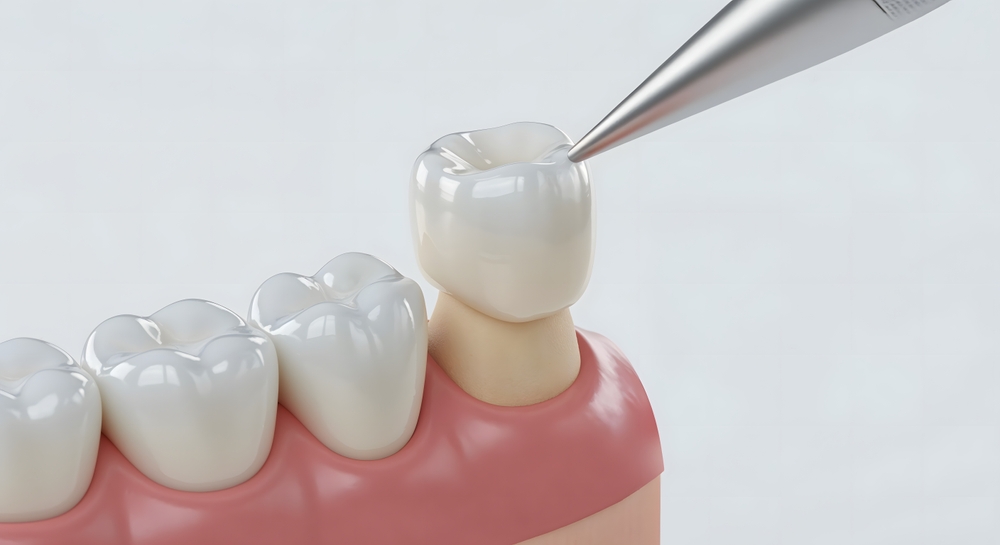
Once healing is complete, the next step is attaching an abutment, which connects the implant to the final restoration. Then Dr. Iwobho will place a custom crown for a single missing tooth, or coordinate a bridge or denture if multiple teeth are being replaced. The goal is a natural-looking result that fits your bite comfortably and supports everyday function.
Dental Implant Aftercare Tips
Dental implants still require daily care, just like natural teeth. One of the best ways to protect your investment is to maintain excellent home hygiene and keep up with routine checkups.
- Brush twice daily with a soft-bristled toothbrush and nonabrasive toothpaste
- Clean between teeth and around the implant with floss or recommended interdental tools
- Avoid smoking and manage conditions like diabetes that can affect healing
- Stick to regular dental exams and professional cleanings to monitor implant health
Ready to explore tooth replacement with dental implants? Schedule a consultation with Smile Solutions. Visit our office in Allen, Texas, or call (469) 656-8813 to book an appointment today.

- HOURS OF OPERATION
- Monday 10:00am - 7:00pm
- Tuesday 10:00am - 7:00pm
- Wednesday 10:00am - 7:00pm
- Thursday 10:00am - 7:00pm
- Friday 12:00pm - 7:00pm
- Saturday By Appointment
- Sunday Closed
- Emergencies are welcome
Powered by
